EDUCATION | Tuesday, November 17, 2026
The University of Lagos (UNILAG) has emerged as Nigeria’s highest-ranked institution in the 2027 QS World University Rankings: Sustainability, outperforming Covenant University, the University of Ibadan and three other Nigerian universities.
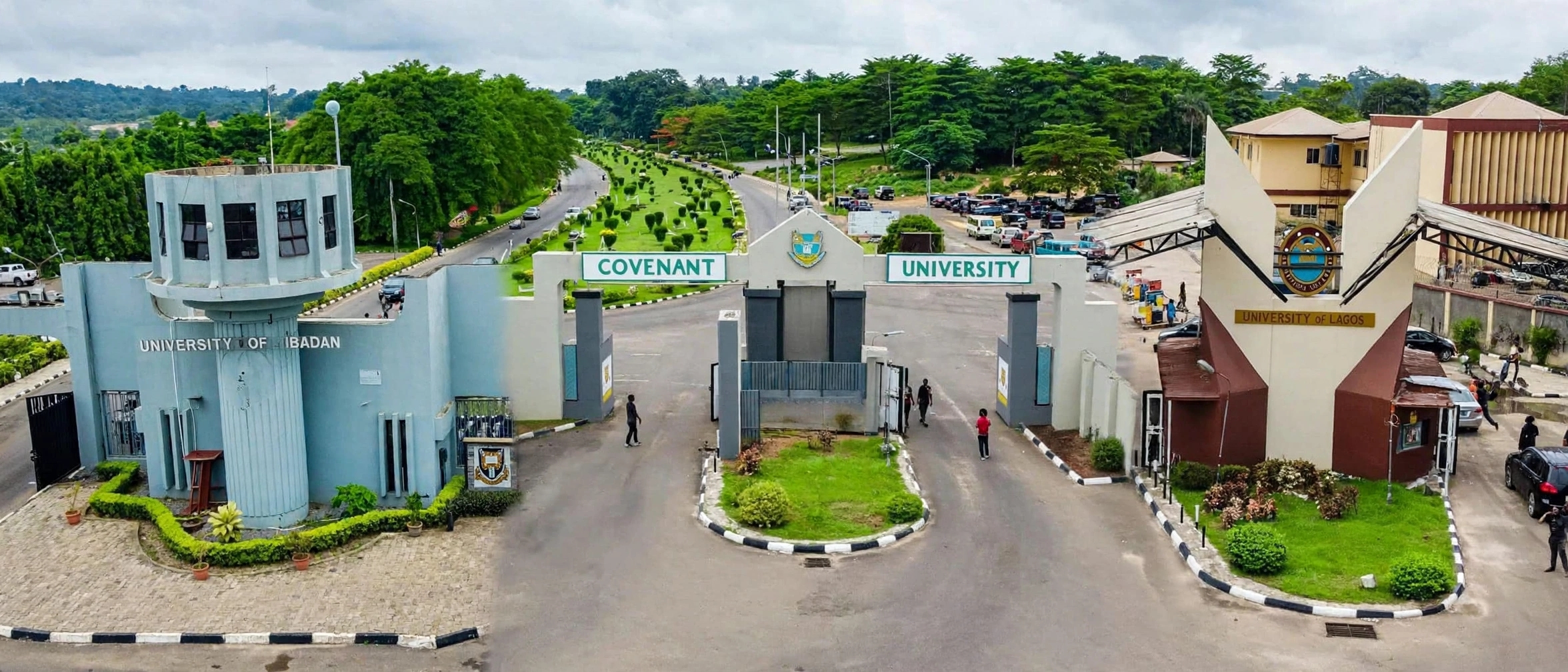
The latest ranking represents a major international breakthrough for UNILAG, which climbed more than 700 places to secure joint 697th position globally and 14th position in Africa.
According to information published on the TopUniversities website on Tuesday, November 17, 2026, only six Nigerian universities featured in the latest global sustainability assessment.
The development was also highlighted in a report presented by the Nigerian Tertiary Education Ranking Advisory Committee (NiTERAC) to the Minister of Education, Dr Tunji Alausa, in Abuja.
Full List: Six Nigerian Universities in 2027 QS Sustainability Rankings
Below are the six Nigerian institutions and their respective global positions:
| University | Global ranking |
|---|---|
| 1. University of Lagos (UNILAG) | Joint 697th |
| 2. Covenant University | 1,151–1,200 |
| 3. University of Ibadan (UI) | 1,201–1,250 |
| 4. Ahmadu Bello University (ABU), Zaria | 1,501+ |
| 5. Obafemi Awolowo University (OAU) | 1,501+ |
| 6. University of Nigeria, Nsukka (UNN) | 1,501+ |
Source: QS 2027 Sustainability Rankings, as reported by Punch Newspapers. Punch Newspapers +1
UNILAG’s Remarkable Performance
UNILAG recorded an overall score of 65.5 points, making it the only Nigerian university among the global top 1,000 in the sustainability ranking.
Its performance across the three major assessment categories was:
- Environmental Impact: 61.8 points.
- Social Impact: 69.1 points.
- Governance: 65.9 points.
The university also ranked ahead of several established African institutions, including the University of Ghana, Makerere University in Uganda, Addis Ababa University in Ethiopia and the University of Nairobi in Kenya.
NiTERAC described UNILAG’s improvement as the largest advance recorded by an African university in the ranking, noting that it also recorded one of the three biggest improvements globally among institutions assessed in both editions. Punch Newspapers +1
How Other Nigerian Universities Performed
Covenant University: The private institution, which led Nigerian universities in the 2026 edition, moved to the 1,151st–1,200th global bracket.
University of Ibadan: UI secured the 1,201st–1,250th position, improving from its previous 1,301st–1,400th bracket.
Ahmadu Bello University: ABU featured in the 1,501st-and-above category.
Obafemi Awolowo University: OAU also occupied the 1,501st-and-above category.
University of Nigeria, Nsukka: UNN completed the list in the 1,501st-and-above category. Punch Newspapers +1
What Does the QS Sustainability Ranking Measure?
Unlike conventional university rankings that focus heavily on academic reputation, research and teaching performance, the QS Sustainability Rankings examine how universities contribute to building a sustainable society.
The assessment considers three major areas:
1. Environmental Impact: How universities address climate change, environmental protection, sustainability research and environmental education.
2. Social Impact: Their contributions to equality, health, wellbeing, employment opportunities and community development.
3. Governance: Institutional accountability, transparency, responsible leadership and effective management.
This means that a university’s global standing is increasingly influenced by what it contributes to society and the environment, beyond the quality of its classroom teaching.
Only Six Nigerian Universities Featured Despite Over 300 Institutions
Despite the achievement recorded by UNILAG, NiTERAC expressed concern that only six Nigerian universities featured in the ranking out of more than 300 institutions in the country’s tertiary education system.
The committee identified governance, environmental research, equality, environmental sustainability, and health and wellbeing as areas requiring significant improvement.
It recommended that universities introduce sustainability policies, publish audited financial statements, establish equality and inclusion policies and invest in research addressing climate change, energy, water and food security.
The committee also proposed a dedicated TETFund intervention for green campus infrastructure and sustainability research.
Nigeria Sets New Targets for 2028 and 2030
Looking ahead, NiTERAC proposed that Nigeria should target:
- At least 10 universities in the 2028 QS Sustainability Rankings.
- At least three Nigerian universities among the global top 1,000 by 2028.
- At least 20 Nigerian universities featured by 2030/2031.
- At least eight Nigerian universities among the global top 1,000.
- Nigeria’s highest-ranked university among the world’s top 400.
The committee also proposed that UNILAG share its experience with other universities through peer-learning programmes to improve Nigeria’s overall performance. Punch Newspapers
What This Means for Nigerian Students and Parents
The latest ranking sends an important message to prospective university students, parents, lecturers and education policymakers.
It shows that Nigerian universities can compete internationally when institutional management, research, funding and sustainability policies receive adequate attention.
However, students should understand that a university’s position in the QS Sustainability Rankings does not automatically mean it is the best institution for every course.
Prospective students should still consider course accreditation, teaching quality, facilities, graduate employment opportunities, tuition fees and the overall learning environment before choosing an institution.
The big question: Can Nigeria move beyond having just six universities in the global sustainability rankings and produce more internationally competitive institutions before 2030?