The National Economic Council (NEC) has endorsed a 90-day economic action plan aimed at easing the rising cost of living in Nigeria, improving food affordability and reducing transportation expenses for millions of Nigerians.
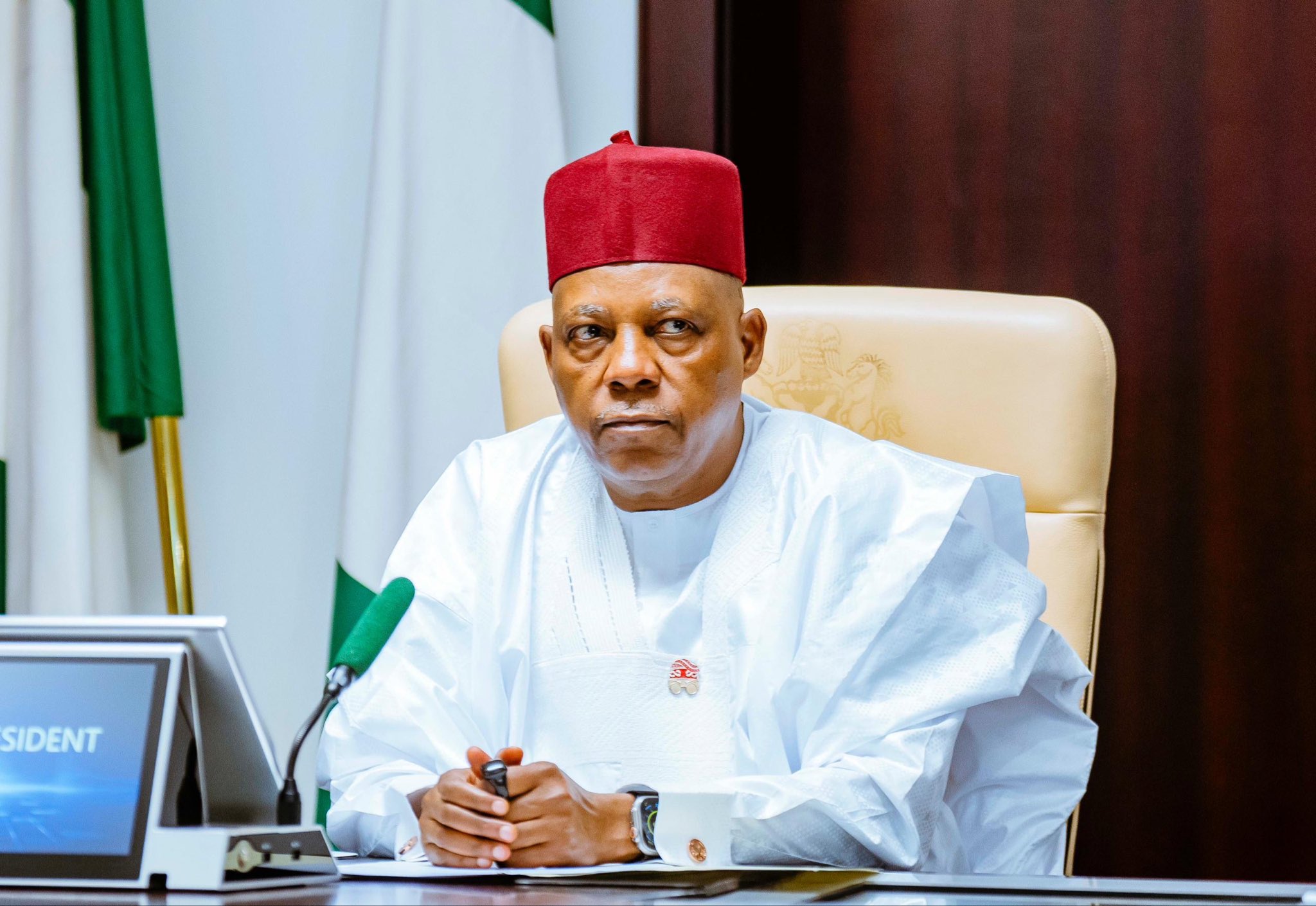
The plan was endorsed at the Council’s 161st meeting held virtually on Thursday, October 22, 2026, under the chairmanship of Vice-President Kashim Shettima, following a proposal by the Federal Ministry of Finance.
According to reports by The Guardian and The Star, the initiative is designed to translate ongoing economic reforms into tangible benefits for households, workers, businesses and commuters struggling with rising living expenses.
The 90-day plan focuses on five priority areas: food affordability, tax harmonisation, completion of high-impact projects, removal of investment bottlenecks and regulated household support.
CNG, Electric Vehicles to Drive Down Transport Costs
One of the major components of the plan is a proposed joint financing framework between the Federal Government and state governments to accelerate the deployment of compressed natural gas (CNG)-powered and electric vehicles.
The Council also directed relevant authorities to engage transport unions and operators to ensure that savings from using these vehicles are passed on to passengers through lower transport fares.
Vice-President Shettima stressed that the success of the National CNG Bus Initiative should not be measured merely by the number of buses deployed, but by how much relief commuters receive.
He maintained that affordable transportation, accessible healthcare, job creation and financial security should be key indicators of whether economic reforms are improving the lives of ordinary Nigerians.
Government to Focus on Food Affordability, Investment
Beyond transportation, the plan seeks to improve access to affordable food and address barriers that discourage investment and delay projects capable of delivering direct benefits to citizens.
Tax harmonisation is also among the five priority areas, although further implementation details will be needed to establish the precise measures and their effects on households and businesses.
The Council additionally approved the establishment of a national dashboard to monitor projects across the country, with emphasis on transparency, accountability and the utilisation of funds saved from petrol subsidy removal.
What the 90-Day Plan Means for Nigerians
If effectively implemented, the initiative could help reduce pressure on household budgets through lower transport costs, improved food affordability and better delivery of public projects.
Small businesses could also benefit if investment bottlenecks are removed and tax administration becomes more coordinated.
However, the approval of the plan does not automatically mean that food prices, petrol prices or transport fares will fall immediately. The actual impact will depend on the measures adopted, funding arrangements, cooperation between federal and state governments, and effective monitoring.
For Nigerians facing high living costs, the key question is whether the 90-day window will produce measurable relief at markets, motor parks and in household spending.
The Council has emphasised that economic reforms must ultimately improve everyday living conditions rather than remain confined to policy announcements and economic statistics.