We often speak about curing tuberculosis (TB). We count cases detected, medicines dispensed, and treatment completion rates. We celebrate notification targets and policy milestones. Yet, somewhere between our statistics and our strategies, there is a child whose story is rarely told.
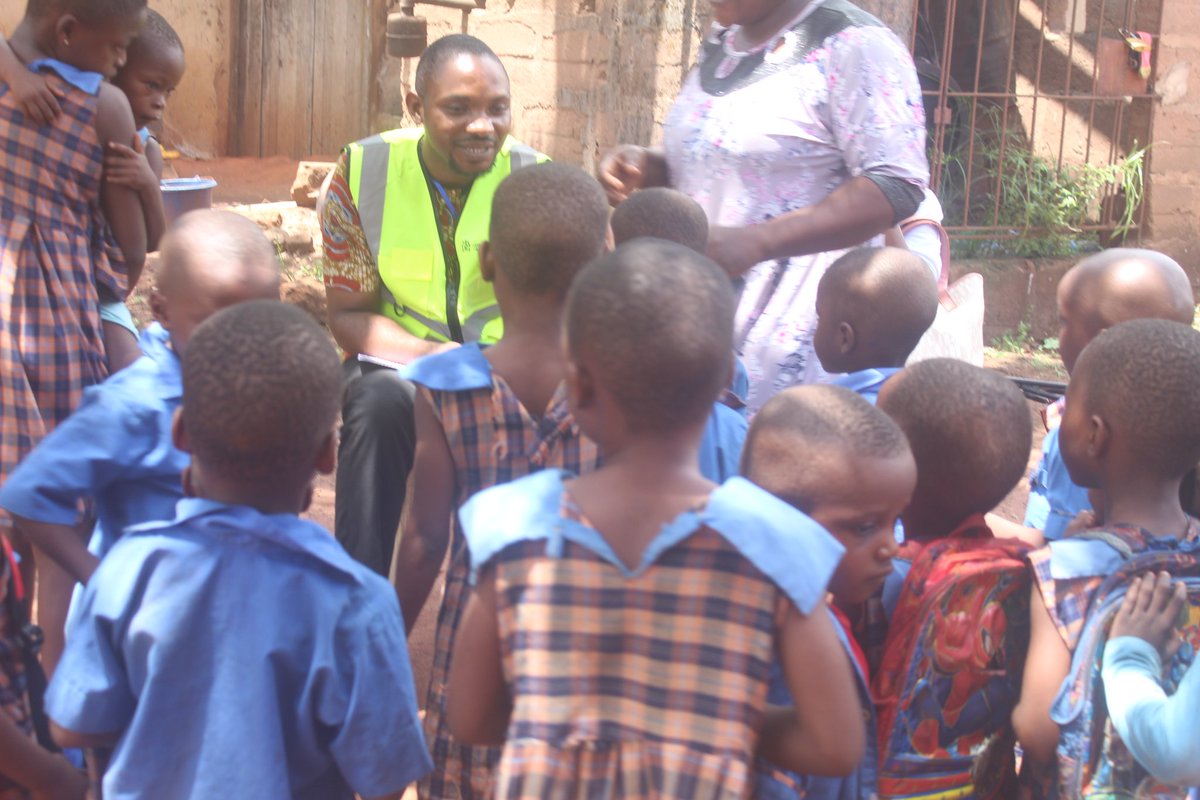
A child with tuberculosis is not only battling a disease; that child is battling interruption.
An interruption of school.
An interruption of friendships.
An interruption of play.
An interruption of dreams.
Sometimes, an interruption of childhood itself.
Public health conversations about childhood TB remain overwhelmingly clinical. We ask how quickly a child was diagnosed, whether treatment began on time, and whether the child completed the prescribed course of medication.
But almost no one asks what happened to the child’s seat in the classroom. Almost no one asks whether classmates stopped visiting, whether the child returned to school burdened by whispers and stigma, how many lessons were missed, how many examinations were lost, or how much confidence disappeared during months of illness and isolation.
Perhaps the most painful question of all is this: after a child survives tuberculosis, what remains of the childhood that was interrupted?
For children born into poverty, tuberculosis is rarely an isolated illness. It becomes a crisis that engulfs the entire household. Parents miss work to seek treatment. Transportation costs rise. Nutritious meals become harder to afford. Siblings assume greater responsibilities. Families already struggling to survive are pushed even closer to the brink.
Tuberculosis enters a home as a disease but often leaves behind something even more devastating: vulnerability.
For children living below the poverty line, recovery is not simply about completing six months of treatment. It is about overcoming hunger, catching up on lost education, rebuilding social connections, and restoring economic stability.
The world recognizes every child’s right to health, education, dignity, and protection. Nigeria’s Child Rights Act and international child protection frameworks affirm that no child should be denied these rights because of illness.
Yet children affected by tuberculosis continue to disappear into a dangerous policy silence.
Where are the educational support systems for children who miss months of school because of TB?
Where are the psychosocial services that help children return to school free from fear and stigma?
Where are the social protection programmes that support families caring for children with TB?
Where are the reintegration plans that ensure children do not lose opportunities simply because they became ill?
Perhaps the most uncomfortable question is: Who is responsible?
Is it the parents already struggling to survive?
Is it the community that often misunderstands childhood TB?
Is it local government, entrusted with protecting vulnerable children?
Is it the state, which has a duty to guarantee healthcare and education?
Is it the private sector and development partners investing in public health?
The answer is simple.
It is all of us.
Because childhood is a collective responsibility.
No child should have to choose between treatment and education.
No child should return from illness only to face rejection.
No child should survive tuberculosis only to lose confidence, friendships, and opportunities.
No child should carry the lifelong consequences of a disease that is both preventable and curable.
Across the world, promising examples of social protection programmes are demonstrating what is possible. School reintegration initiatives, nutritional support, psychosocial services, and community-based care recognize a profound truth: recovery does not end when the medicine does.
Recovery is complete only when a child can once again learn, play, dream, and belong.
Nigeria—and indeed the world—must begin asking different questions about childhood tuberculosis.
Not simply, “Was the child cured?”
But also:
“Did the child return to school?”
“Did the child regain confidence?”
“Did the family recover?”
“Did the community protect the child?”
“Did the child get to remain a child?”
At LTR Nigeria, we believe healthcare is more than the absence of disease—it is the presence of dignity.
A child cured of tuberculosis but abandoned by society is not fully healed.
A child who survives TB but loses education, friendships, and hope has paid too high a price.
The fight against childhood tuberculosis must move beyond medicine and into humanity.
Beyond diagnosis and into dignity.
Beyond survival and into protection.
Beyond treatment and into childhood itself.
Because the true measure of our response to childhood TB will not be the number of children who complete treatment.
It will be whether we ensured that no child lost their childhood because they had tuberculosis.
By: Saleh Farouq Gagarawa
Media & Communication, LTR Nigeria