The Nigeria Centre for Disease Control and Prevention (NCDC) has approved an emergency allowance of ₦100,000 per person per week for individuals placed under quarantine following possible exposure to Nigeria’s confirmed Ebola case in the Federal Capital Territory (FCT).
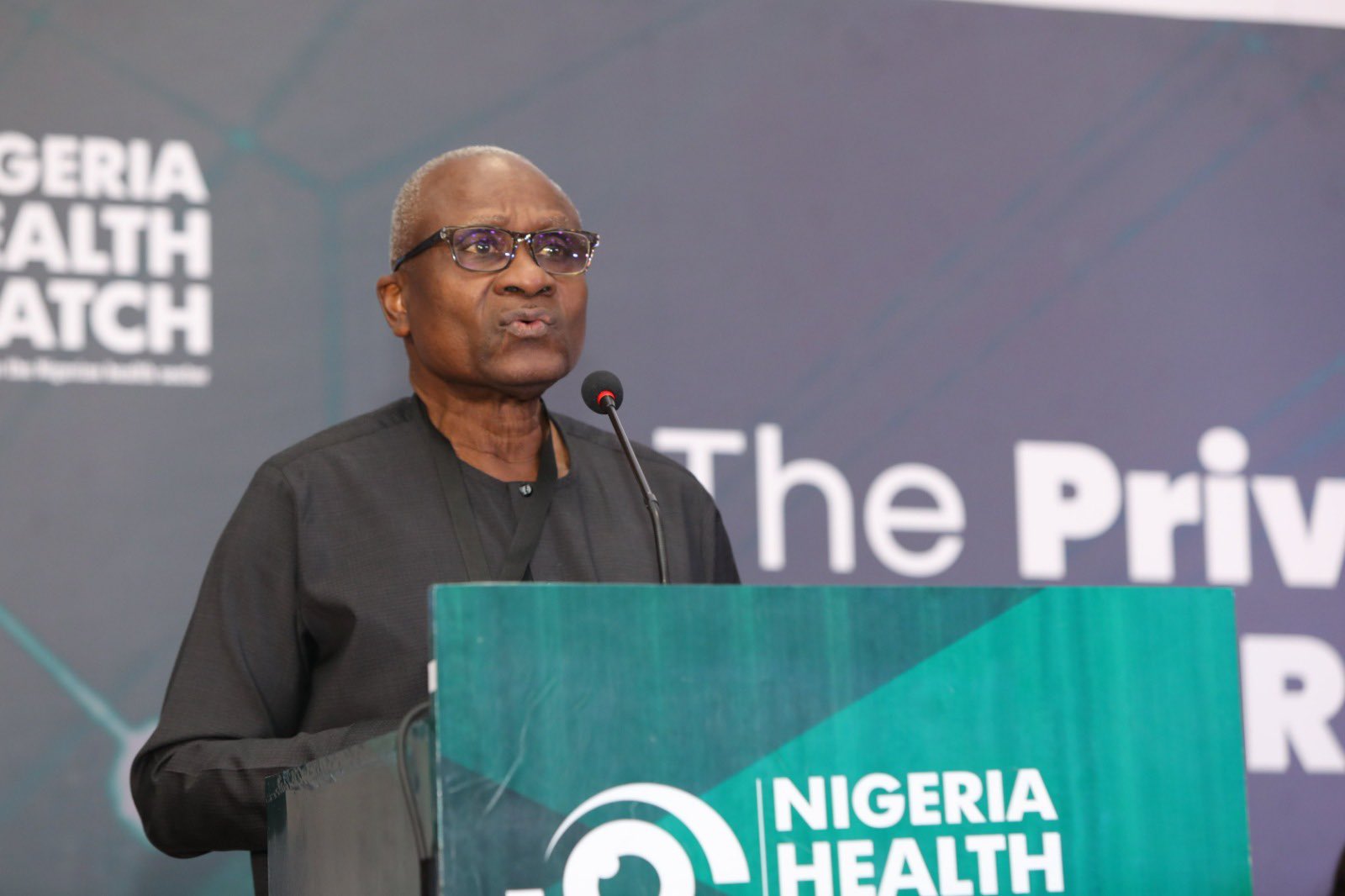
The Director-General of the NCDC, Dr Jide Idris, announced the intervention during a media briefing in Abuja on Sunday, October 25, 2026, explaining that the payment was introduced to ease the financial burden on people required to remain under public health monitoring.
According to reports by Premium Times and Punch, some individuals identified as contacts of the confirmed patient had complained that quarantine prevented them from attending to their businesses and providing for their families.
Idris said the agency was already covering accommodation and feeding costs for individuals staying in designated facilities but decided to introduce additional financial assistance after some contacts requested support for their household expenses.
The NCDC chief described the payment as an emergency measure that was not part of the agency’s original response plan, adding that the arrangement would be reviewed as the situation developed.
Who qualifies for the ₦100,000 weekly allowance?
Based on the announcement, the support is intended for individuals placed under quarantine or isolation as part of the official response to the Ebola outbreak, particularly people identified by health authorities as contacts of the confirmed patient.
The following categories are among those identified as contacts requiring assessment and monitoring:
- Healthcare workers: Medical personnel who may have been exposed while treating or attending to the patient.
- Household and close contacts: People such as family members who may have had relevant exposure.
- Domestic staff: Individuals, including the patient’s driver and chef, identified among the contacts.
- Healthcare personnel from other facilities: Workers who attended to the patient at another clinic.
- Sample collection personnel: Team members involved in collecting samples from the patient.
However, inclusion in these categories does not automatically establish entitlement to the allowance. The NCDC has not publicly detailed a complete eligibility and payment procedure in the reports reviewed. Individuals should therefore follow instructions from authorised public health officials.
Does every Nigerian qualify?
No. The announcement does not establish a general cash benefit for all Nigerians or everyone worried about Ebola.
The payment is linked to the public health response and the circumstances of people placed under official quarantine or isolation. Simply living in Abuja, visiting a hospital, experiencing a fever or voluntarily staying at home does not automatically qualify someone for the allowance.
Anyone who believes they may have been exposed should contact the relevant public health authorities rather than attempting to secure quarantine status for financial reasons.
Why is the NCDC paying the allowance?
Idris explained that some contacts were concerned about their inability to earn money, operate their businesses and meet family obligations while complying with quarantine arrangements.
The additional support is intended to reduce these difficulties and encourage cooperation with contact-tracing and monitoring measures.
The NCDC has also stressed that state governments must prepare the funding, facilities and other resources needed to manage public health emergencies within their jurisdictions.
How many people have been identified as contacts?
As of the October 25 briefing, the NCDC had identified 53 primary contacts linked to the confirmed Ebola case.
According to the agency’s briefing as reported by Premium Times, 44 were linked to the health facility where the patient was treated, while nine additional contacts included household and domestic contacts, healthcare workers from another clinic and sample collection personnel.
The contacts were being assessed according to their exposure levels, with public health teams conducting follow-up monitoring. Some individuals may be monitored at home, while others may require designated facilities, depending on their risk assessment.
Contact monitoring is expected to continue for 21 days after the last possible exposure.
Does being quarantined mean someone has Ebola?
No. Being identified as a contact does not mean that a person has contracted Ebola.
Quarantine and monitoring are precautionary measures used to identify possible infections early and prevent further transmission. Isolation, meanwhile, is used to separate people who are suspected or confirmed to have an infectious disease, according to their clinical and public health needs.
The NCDC has urged Nigerians to cooperate with contact-tracing teams, report possible exposure promptly and avoid spreading unverified information.
What Nigerians should know
The ₦100,000 weekly allowance is an emergency intervention for people covered by the official Ebola response, not a nationwide relief payment.
Anyone contacted by public health officials should provide accurate information and follow their instructions. People who may have been exposed and subsequently develop symptoms should contact health authorities promptly and follow their guidance on seeking medical care.
Source: Nigeria Centre for Disease Control and Prevention (NCDC); Premium Times; Punch, October 25, 2026.
Verification note: The NCDC’s official October 25 update confirms the Ebola response and 21-day contact monitoring, while the ₦100,000 weekly allowance was reported by Premium Times and Punch. The official update does not itself specify the payment rules.