ABUJA, October 20, 2026 —
Nigeria has confirmed its first case of Ebola Virus Disease (EVD) in Abuja, triggering an urgent public health response as authorities move to prevent the infection from spreading.
The Federal Government confirmed the case on Tuesday, following laboratory tests on a woman who recently arrived in Nigeria from Uganda and subsequently received treatment at a private hospital in the Federal Capital Territory.
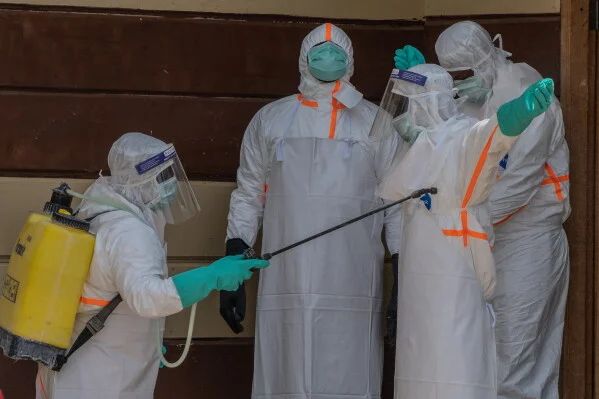
According to the Coordinating Minister of Health and Social Welfare, Professor Muhammad Ali Pate, the patient has been placed in isolation and is receiving medical care.
Health authorities have identified 44 people who may have been exposed to the patient and commenced contact tracing to determine whether anyone else may have contracted the virus.
The response is being coordinated by the Federal Ministry of Health and Social Welfare, the Nigeria Centre for Disease Control and Prevention (NCDC), the FCT Health Services Secretariat and other relevant partners.
The development has placed health facilities on heightened alert, with authorities urging medical personnel to identify suspected cases promptly, isolate patients where necessary and report suspected infections through established public health channels.
The confirmation is particularly significant because Nigeria had intensified Ebola preparedness in recent months following the regional outbreak of the Bundibugyo strain of the virus.
Sources: Premium Times, Punch and Reuters reports published October 20, 2026.
NCDC precautionary measures: What Nigerians should do
As health authorities intensify surveillance and contact tracing, Nigerians are urged to take the following precautions:
- Wash your hands regularly with soap and running water, or use an alcohol-based hand sanitiser.
- Avoid contact with blood and other bodily fluids of anyone suspected or confirmed to have Ebola.
- Do not touch the bodies of people who die from suspected Ebola, as the virus may spread during unsafe burial practices.
- Seek medical attention promptly if you develop symptoms after a possible exposure. Inform healthcare workers about your travel history and any known contact with a suspected case.
- Healthcare workers should use appropriate protective equipment and strictly follow infection prevention and control procedures.
- Report suspected cases immediately to public health authorities rather than attempting to manage them at home.
- Avoid spreading rumours or unverified reports about the outbreak. Follow official updates from the NCDC and the Federal Ministry of Health.
These precautions are consistent with the NCDC’s public health guidance on Ebola preparedness.