UNGA 2026: 10 Major Gains Nigeria Is Targeting in New York
Nigeria is seeking to turn its participation in the 81st United Nations General Assembly (UNGA) in New York into concrete economic, diplomatic and development opportunities, with investment, critical minerals, climate finance, technology, migration and global institutional reforms high on the agenda.
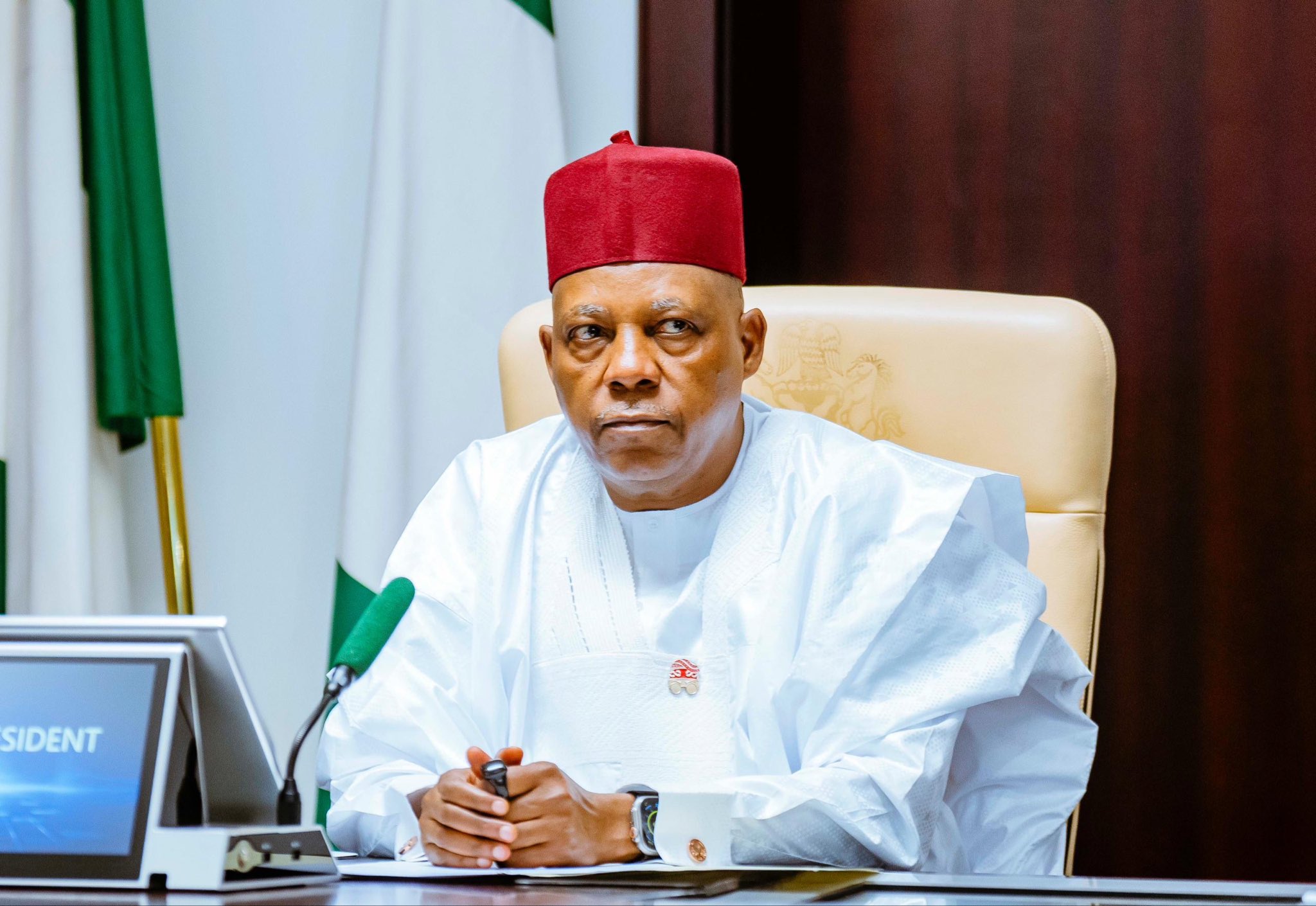
Vice President Kashim Shettima is leading Nigeria’s delegation on behalf of President Bola Ahmed Tinubu and is scheduled to deliver Nigeria’s national statement on Thursday, September 24, outlining the country’s position on major global issues.
Nigeria’s General Assembly appearance comes under the theme of UNGA 81: “Restoring trust, managing transformation: A United Nations that delivers for all.”
What Shettima is expected to say
Shettima’s national address is expected to focus on Nigeria’s priorities around peace and security, sustainable development, climate action, international financial reform, economic growth and stronger multilateral cooperation.
A major element of Nigeria’s message is also its long-standing call for reforms to global institutions, including stronger African representation in international decision-making.
Nigeria is expected to renew its advocacy for permanent African representation on the UN Security Council, arguing that the continent should have a stronger voice in decisions concerning international peace and security.
The Vice President has also said Nigeria will approach the UNGA engagements from the standpoint of national interest, while supporting a multilateral system that gives developing countries a stronger voice.
10 major gains Nigeria is targeting
- More foreign investment
Nigeria is seeking to use the high-level gathering to attract investment and deepen economic partnerships in sectors including solid minerals, energy, infrastructure, agriculture and technology.
The government is positioning UNGA as a platform for discussions with governments, investors, development institutions and international businesses.
- Greater value from Nigeria’s mineral resources
Critical minerals have emerged as one of Nigeria’s major economic themes at UNGA 2026.
Representing President Tinubu at the Africa Minerals Strategy Group High-Level Roundtable, Shettima called for African countries to move away from simply exporting raw minerals and instead develop processing, manufacturing and value-added industries.
He argued that Africa’s mineral wealth should translate into industrial growth, jobs and improved living standards.
The meeting also produced the Continental Integration and Economic Assurance Declaration, aimed at creating a framework for cooperation around critical minerals, value addition and strategic mineral corridors.
- Climate finance
Climate action is another major item on Nigeria’s UNGA agenda.
Shettima is participating in high-level discussions on climate action, while Nigeria is seeking stronger international cooperation and access to climate finance to support sustainable development.
- Reform of the global financial system
Nigeria is pushing for reforms to the international financial architecture.
The government wants a global economic system that gives developing countries greater access to financing and a stronger voice in decisions affecting their economies.
- A stronger African voice at the UN
Nigeria is using the gathering to renew its campaign for reforms of global institutions.
In particular, the country is advocating greater African representation, including a permanent African presence on the UN Security Council.
- Migration opportunities for Nigerians
A significant sideline development has already emerged from Nigeria’s engagement with the European Union.
Foreign Affairs Minister Bianca Odumegwu-Ojukwu and EU Commissioner for Internal Affairs and Migration Magnus Brunner discussed efforts to conclude the long-pending EU-Nigeria Readmission Agreement.
Nigeria also pushed for reintegration support for returnees, infrastructure assistance and expanded legal pathways for Nigerians seeking opportunities abroad.
- Technology and AI cooperation
Technology access is another area Nigeria wants to strengthen.
The government is seeking international partnerships that can improve technology transfer, digital development and Nigeria’s participation in emerging sectors, including artificial intelligence.
- Stronger trade and economic partnerships
The diplomatic engagements also offer Nigeria an opportunity to deepen relationships with countries and international institutions that can support trade, investment and sustainable economic development.
Nigeria’s broader diplomatic agenda includes strengthening partnerships that can generate opportunities for businesses and development projects.
- Stronger security cooperation
Peace and security remain central to Nigeria’s international engagement.
Shettima’s national statement is expected to address security and international cooperation, while bilateral meetings with governments and development partners provide opportunities to strengthen cooperation on regional and global security concerns.
- More global influence for Nigeria
Beyond immediate financial commitments, Nigeria is seeking a stronger role in shaping international decisions.
The country wants its concerns on development, finance, climate change, critical minerals, technology and security reflected more prominently in global policy discussions.
Key sideline meetings and engagements
Africa Minerals Strategy Group
One of Shettima’s prominent engagements has been the Third Africa Minerals Strategy Group High-Level Roundtable on Critical Minerals Development in Africa.
Speaking for President Tinubu, he urged African countries to coordinate their mineral policies, develop regional processing hubs and retain more value from the continent’s natural resources.
Nigeria–EU migration talks
On September 21, Foreign Affairs Minister Bianca Odumegwu-Ojukwu held discussions with EU Commissioner Magnus Brunner on migration cooperation.
The talks covered the Readmission Agreement, legal migration pathways, reintegration of returnees, border management and cooperation against irregular migration and transnational organised crime.
Engagements with world leaders and development partners
The Nigerian delegation is also holding bilateral engagements with foreign leaders, international organisations and development partners throughout UNGA week.
The Federal Government says these meetings are intended to advance Nigeria’s economic diplomacy, strengthen strategic partnerships and promote reforms in the global financial architecture, sustainable development, climate finance and technology access.
The Nigerian delegation
Shettima is leading a high-level delegation that includes Governors Siminalayi Fubara of Rivers State, Dauda Lawal of Zamfara State and AbdulRahman AbdulRazaq of Kwara State, as well as ministers, Nigeria’s Permanent Representative to the UN, Senator Jimoh Ibrahim, and other senior officials.
Among those involved in the delegation and related engagements are Foreign Affairs Minister Bianca Odumegwu-Ojukwu, Defence Minister Christopher Musa, Solid Minerals Minister Dele Alake and other senior government officials.
What Nigerians should watch after UNGA
The key question will be whether the diplomatic engagements produce concrete results.
Investment announcements, financing commitments, migration agreements, technology partnerships and mineral-sector initiatives will need to move beyond meetings and declarations into signed agreements, funded projects, jobs, technology transfer and measurable economic outcomes.