As thousands of African migrants continue to seek better opportunities in Europe, the Spanish enclave of Ceuta has remained one of the continent’s most closely watched migration routes. Although many see it as a gateway to Europe, experts warn that attempting to cross into Ceuta is fraught with danger, uncertainty and legal challenges.
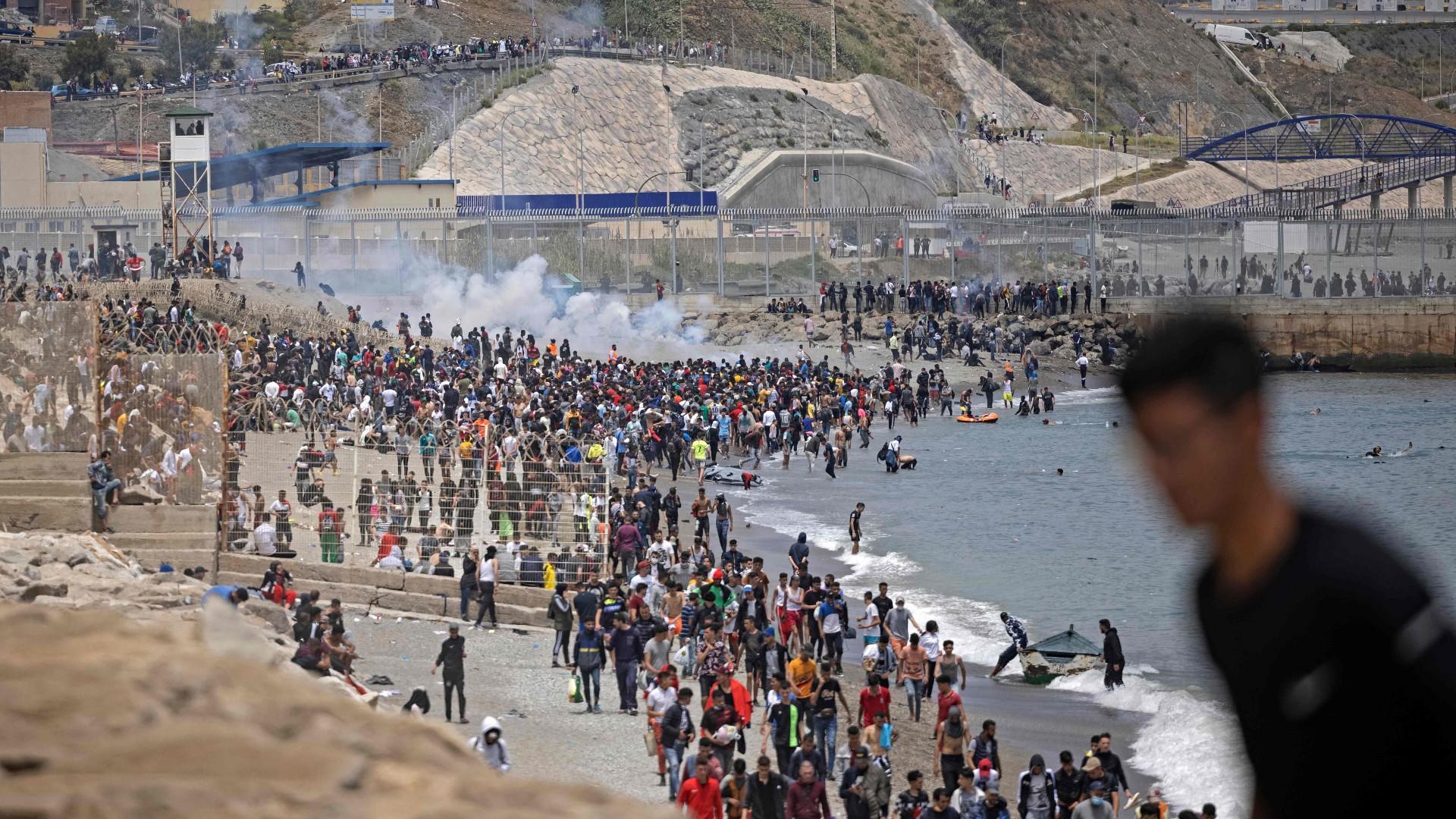
For Nigerians and other Africans considering irregular migration, understanding how the Ceuta crossing works could help prevent life-threatening mistakes.
- Ceuta Is European Territory Located in Africa
Ceuta is an autonomous city belonging to Spain but situated on the northern coast of Africa, sharing a land border with Morocco. Despite its location on the African continent, it is legally part of Spain and the European Union, making it one of the few land entry points from Africa into Europe.
- It Is One of the World’s Most Heavily Guarded Borders
The border separating Ceuta from Morocco is protected by high-security fences, surveillance cameras, patrol officers and advanced monitoring systems. Spanish authorities have continued to strengthen security following repeated attempts by migrants to enter the enclave.
- Entering Ceuta Does Not Guarantee Access to Europe
Many migrants mistakenly believe that reaching Ceuta automatically grants them entry into mainland Spain or other European countries. In reality, many are placed in migrant reception centres while authorities determine whether they qualify for asylum or face possible deportation.
- The Journey Can Cost Lives
Attempting to reach Ceuta by swimming around coastal barriers, climbing border fences or relying on smugglers has resulted in numerous deaths and serious injuries over the years. Human rights organisations continue to warn that the route remains one of the most dangerous migration corridors into Europe.
- Human Smugglers Often Exploit Desperate Migrants
Criminal trafficking networks frequently promise easy access to Europe through Ceuta in exchange for huge sums of money. Many migrants lose their savings, become stranded or fall victim to exploitation without ever reaching their intended destination.
- Spain and Morocco Work Together to Stop Irregular Migration
Spanish and Moroccan authorities have strengthened border cooperation to reduce illegal crossings. During periods of increased migration, additional security personnel are deployed, while many migrants intercepted at the border are returned in line with existing agreements.
- Legal Migration Remains the Safest Option
Migration experts advise Africans seeking opportunities in Spain to pursue legal channels such as work permits, student visas, family reunification programmes or approved humanitarian protection where eligible. These options provide greater security and legal protection than attempting irregular border crossings.
Why This Matters to Nigerians and Other Africans
Economic hardship, insecurity and unemployment continue to push many Africans toward dangerous migration routes. However, the Ceuta crossing is far from an easy gateway into Europe. The risks include drowning, injury, arrest, deportation and exploitation by criminal networks.
Prospective migrants are urged to verify immigration information through official government channels and avoid individuals or groups promising guaranteed passage into Europe through irregular means.
While the dream of a better life abroad is understandable, experts maintain that pursuing legal migration pathways remains the safest and most sustainable route for Africans seeking education, employment or permanent residence in Spain and other European countries.