United States President, Donald Trump has announced that Washington and Tehran have reached a major peace agreement aimed at ending months of escalating conflict in the Middle East, with the reopening of the strategic Strait of Hormuz emerging as a central feature of the deal.
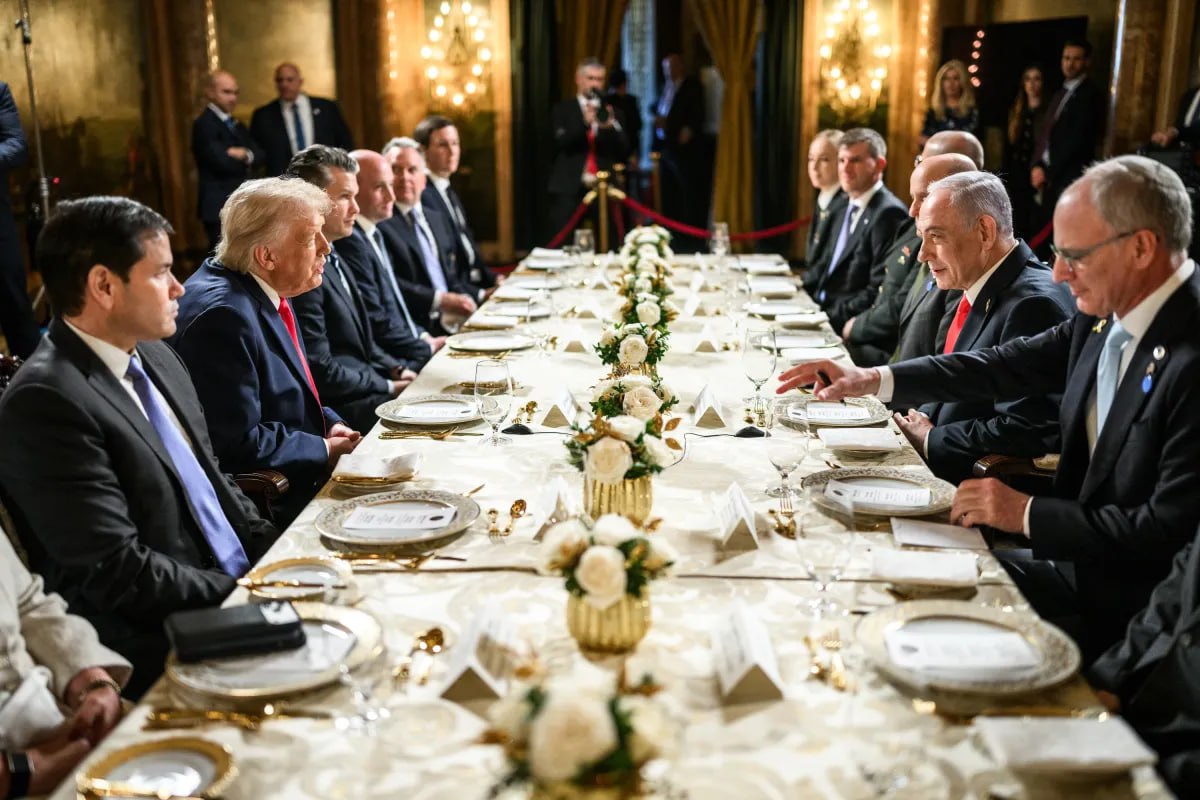
Trump disclosed the development through a series of public statements and social media posts over the weekend, declaring that the agreement with Iran was “complete” and would usher in a new phase of diplomacy after weeks of backchannel negotiations involving several regional actors.
According to reports, the formal signing ceremony is expected to take place on June 19 in Switzerland, following mediation efforts led primarily by Pakistan, with support from Qatar, Saudi Arabia, Turkey and other Middle Eastern countries.
One of the most significant outcomes of the proposed agreement is the planned reopening of the Strait of Hormuz — a critical global oil transit route through which nearly a fifth of the world’s oil supply passes. The waterway had witnessed severe tensions and partial disruption during the conflict, fueling fears of a global energy crisis.
Trump said the agreement would lead to the immediate removal of the U.S. naval blockade in the region and restore unrestricted commercial shipping through the strait. The announcement triggered immediate reactions in global financial markets, with oil prices falling sharply and U.S. stock futures rallying amid expectations of reduced geopolitical tensions. Brent crude reportedly dropped below $85 per barrel shortly after the announcement.
Iranian Deputy Foreign Minister Kazem Gharibabadi also confirmed that hostilities had ended, while Pakistani Prime Minister Shehbaz Sharif announced that both countries had agreed to permanently halt military operations across all fronts.
However, despite the breakthrough, several contentious issues remain unresolved. Reports indicate that negotiations over Iran’s nuclear programme, missile development and regional proxy activities have been postponed for a separate 60-day negotiation process. Analysts say the current agreement functions more as a ceasefire framework and memorandum of understanding rather than a final comprehensive peace accord.
The deal has also generated criticism from some U.S. lawmakers and Israeli officials who believe the agreement offers significant concessions to Tehran without fully dismantling its nuclear capabilities. Trump reportedly criticized recent Israeli military actions in Lebanon, accusing them of nearly jeopardizing the fragile negotiations.
The conflict between the United States and Iran intensified earlier this year following military operations linked to concerns over Tehran’s nuclear ambitions. Since then, the region has experienced repeated military confrontations, disruptions in oil exports and growing fears of a wider Middle East war.
While global markets and diplomatic observers have welcomed the latest announcement, experts caution that the success of the agreement will depend largely on implementation, verification mechanisms and the willingness of all parties to sustain negotiations beyond the initial ceasefire period.