The United States Department of State has issued a renewed travel advisory cautioning American citizens against visiting several parts of Nigeria, citing escalating threats from terrorism, kidnapping, armed gangs, and civil unrest.
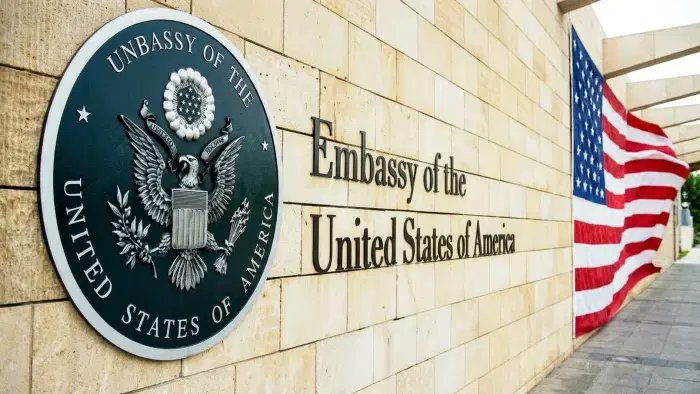
In the updated advisory released in April 2026, the US government placed Nigeria under a Level 3: Reconsider Travel classification, while designating multiple states and regions under the more severe Level 4: Do Not Travel category.
The warning comes amid growing security concerns across various parts of the country, prompting Washington to also authorize the departure of some non-emergency personnel from its mission in Abuja.
23 High-Risk Areas Identified
The advisory highlights approximately 23 states and regions considered particularly dangerous due to persistent violence and instability.
States in the North-East and North-Central regions—such as Borno, Yobe, Kogi, Niger, Plateau, Taraba, and parts of Adamawa—were flagged primarily for terrorism and insurgent activities.
In the North-West, states including Kaduna, Katsina, Zamfara, Sokoto, Kano, Kebbi, as well as Bauchi and Gombe, were cited for rampant banditry, kidnapping, and violent crime.
Meanwhile, in the South-East and South-South regions, states such as Abia, Anambra, Imo, Enugu, Bayelsa, Delta, and Rivers (excluding Port Harcourt) were listed due to armed criminal gangs, civil unrest, and increasing incidents of abduction.
Drivers of the Advisory
According to the United States Department of State, the decision is based on several persistent security threats:
Widespread kidnapping for ransom, often targeting both locals and foreigners
Terrorist attacks that can occur without prior warning
Proliferation of armed gangs and bandit groups
Communal clashes and civil disturbances in volatile regions
The advisory also noted limitations in emergency response and healthcare infrastructure as compounding risks for foreign nationals.
Implications for Travel and Diplomacy
Although major urban centres such as Lagos and Abuja remain outside the strictest warning category, US authorities urged heightened vigilance for anyone residing in or traveling to Nigeria.
The development underscores mounting international concern over Nigeria’s security landscape and may have broader implications for tourism, foreign investment, and diplomatic engagement.
A Growing Concern
This latest advisory reflects a pattern of increasing caution by foreign governments regarding Nigeria’s internal security challenges. Analysts say the breadth of states listed signals a shift from localized threats to more widespread national concern.
As security agencies continue efforts to contain violence across affected regions, the international community will be closely watching how Nigeria navigates its complex and evolving security situation.