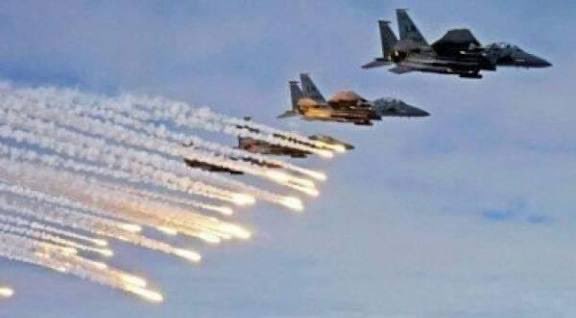
A scenario in which Iran is wiped out in a single night would trigger one of the most intense global reactions in modern history, with world leaders expected to respond with outrage, fear, and urgent calls for international intervention.
Though hypothetical, current geopolitical tensions offer a clear blueprint of how such a catastrophic event would be received across the world stage.
Global Shock and Emergency Diplomacy
The United Nations would immediately convene an emergency session of its Security Council, as global leaders demand explanations and accountability.
Western nations, including key European powers, would likely condemn the act as a grave breach of international law, warning that the destruction of a sovereign state sets a dangerous precedent.
Diplomatic channels would shift into crisis mode, with urgent efforts to prevent further escalation.
Major Powers Split Along Familiar Lines
Global reaction would quickly fracture along geopolitical alignments.
The United States and its closest allies may justify the action under security grounds—particularly if tied to nuclear or military threats—though such support would likely be cautious and politically contested.
In contrast, Russia and China would strongly condemn the attack, describing it as unlawful and destabilizing, while pushing for sanctions or international investigations.
Across Africa, Asia, and Latin America, many governments would warn that such an act undermines global sovereignty and could normalize extreme military aggression.
Middle East on the Brink
The immediate region would face the most dangerous fallout.
Iran’s allies and affiliated armed groups across the Middle East would likely launch retaliatory actions, targeting strategic interests tied to perceived perpetrators.
Countries such as Saudi Arabia and United Arab Emirates would heighten security, fearing spillover violence, while Israel would brace for direct and indirect reprisals.
Analysts warn the region could descend rapidly into a multi-front conflict.
Oil Markets in Chaos, Global Economy Shaken
Iran’s strategic position along the Strait of Hormuz—one of the world’s most critical oil transit routes—means its sudden destruction would send shockwaves through global energy markets.
Oil prices would likely surge dramatically, triggering:
Fuel shortages
Rising inflation
Economic instability, especially in import-dependent economies like Nigeria
The ripple effects could push already fragile economies toward crisis.
Humanitarian Catastrophe and Legal Fallout
Beyond geopolitics, the humanitarian consequences would dominate global discourse.
A single-night wipeout implies mass civilian casualties on an unprecedented scale, prompting:
International war crimes investigations
Emergency humanitarian interventions
Massive refugee displacement across neighboring regions
Global human rights organizations would demand accountability, while legal experts debate the implications under international law.
Fears of a Wider Global Conflict
Security analysts warn that such an घटना would not end conflict—it would escalate it.
Retaliatory cycles, alliance obligations, and military mobilizations could quickly expand beyond the Middle East, drawing in global powers and raising the specter of a broader international war.
Conclusion
Even as a hypothetical, the idea of wiping out Iran in a single night underscores the fragility of global stability.
The likely outcome is clear:
Immediate global condemnation
Deep geopolitical divisions
Regional military escalation
Severe economic and humanitarian crises
Rather than ending tensions, such an act would almost certainly ignite a far more dangerous and unpredictable global confrontation.