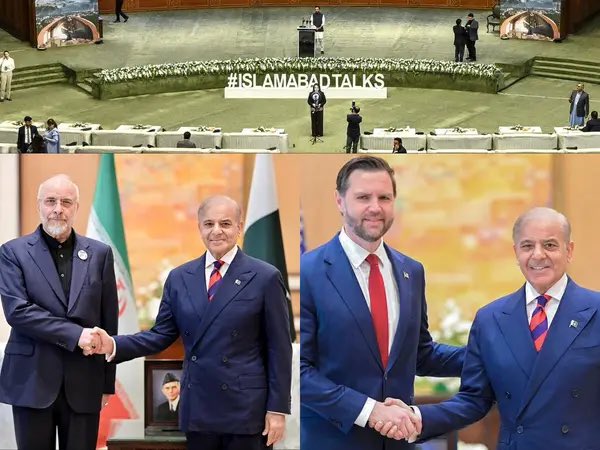
The much-anticipated negotiations in Islamabad have ended without agreement, dealing a significant blow to ongoing diplomatic efforts aimed at easing tensions and fostering cooperation in the region.
Breakdown of Negotiations
Sources close to the talks indicate that discussions stalled over irreconcilable differences on key issues, including security arrangements, political concessions, and implementation timelines. Despite initial optimism and behind-the-scenes shuttle diplomacy, negotiators failed to bridge longstanding divides.
Officials from participating delegations reportedly hardened their positions in the final hours, with each side accusing the other of lacking flexibility and commitment to previously agreed frameworks.
Key Issues at Stake
At the core of the deadlock were:
Security Guarantees: Disagreements over enforcement mechanisms and third-party monitoring
Political Roadmap: Conflicting visions on governance structures and power-sharing
Trust Deficit: Lingering mistrust fueled by past violations and unmet commitments
Analysts note that while technical committees made incremental progress earlier in the talks, political leaders were unable to endorse compromise proposals.
Regional and International Reactions
The collapse has drawn concern from the international community, with diplomatic observers warning that the failure could escalate tensions and undermine fragile stability efforts. Several mediators had invested heavily in the Islamabad round, viewing it as a critical opportunity to reset dialogue.
Regional stakeholders are now reassessing their strategies, with some calling for renewed engagement through alternative platforms or backchannel negotiations.
Implications Going Forward
The breakdown raises fears of:
Renewed hostilities or heightened tensions
Suspension of confidence-building measures
Increased humanitarian and economic pressures in affected areas
Experts suggest that without immediate efforts to revive dialogue, the window for a peaceful resolution may narrow further.
Outlook
While the talks have formally collapsed, diplomatic channels remain open. Observers believe that future negotiations—possibly in a neutral venue—could still emerge, though rebuilding trust will require sustained effort, credible guarantees, and stronger international facilitation.
The failure in Islamabad underscores the complexity of the conflict and the persistent challenges facing peace processes in deeply divided regions.