Nigeria is one of Africa’s largest crude oil producers, yet it remains heavily dependent on imported refined petroleum products. This paradox means that global oil transit routes—many thousands of kilometers away—directly influence fuel availability, pump prices, and economic stability within the country.
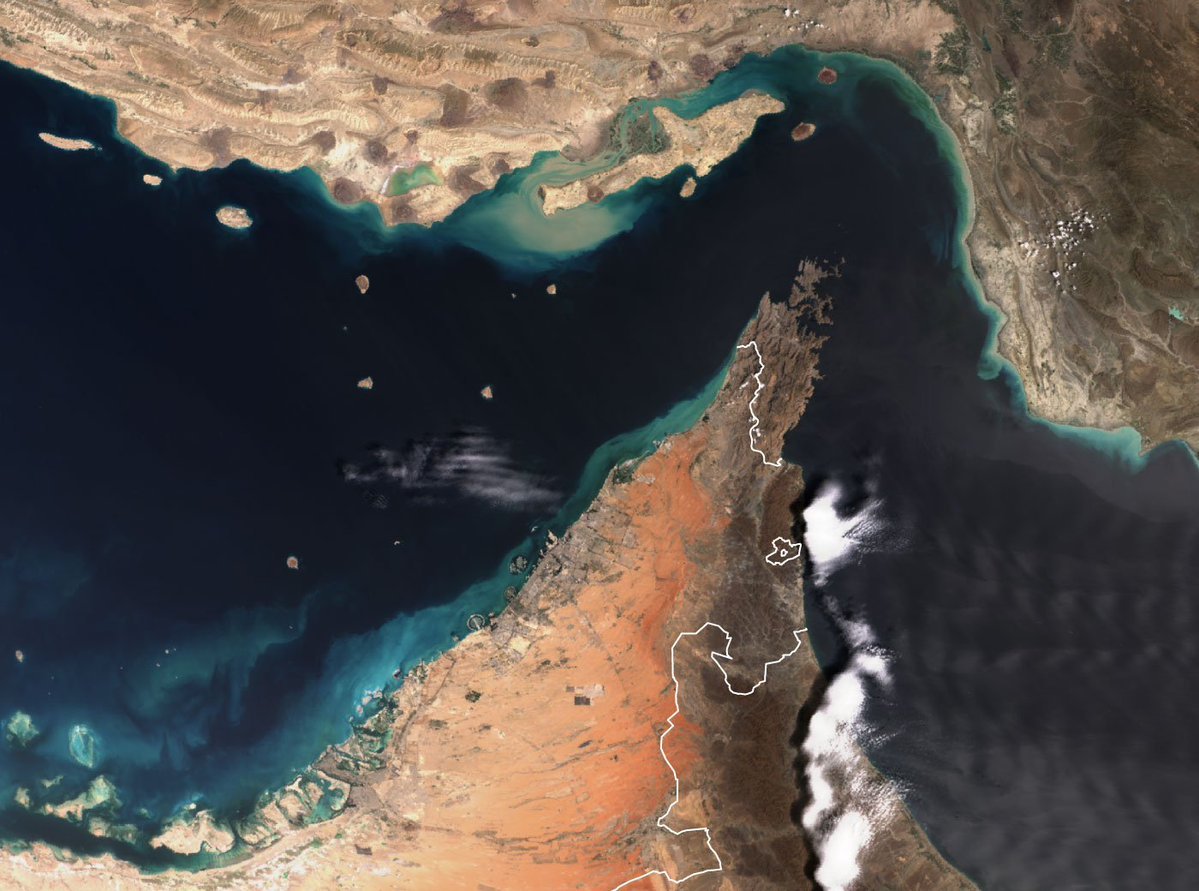
The Global Oil Network: Why Nigeria Is Exposed
Crude oil produced in Nigeria is shipped to international markets, while refined products are imported back through complex global supply chains. These flows depend heavily on strategic chokepoints such as the Strait of Hormuz, Strait of Malacca, and the Suez Canal.
Any disruption along these routes can:
Increase global crude prices
Raise shipping and insurance costs
Reduce supply availability
All of which ultimately affect Nigeria’s downstream market.
Key Oil Routes Affecting Nigeria
- Strait of Hormuz: Price Shock Epicentre
The Strait of Hormuz handles nearly a fifth of global oil supply. While Nigeria does not rely on it directly for exports, global oil prices are benchmarked against supplies flowing through this route.
Impact on Nigeria:
Higher crude prices = increased revenue for Nigeria
But also higher cost of imported petrol and diesel
Exchange rate pressure due to increased import bills
- Suez Canal: Nigeria’s Supply Gateway
The Suez Canal is critical for shipments between Europe and Asia—regions that refine and trade petroleum products Nigeria depends on.
Impact on Nigeria:
Delays or blockages disrupt fuel imports
Increased freight costs passed to Nigerian consumers
Longer delivery times for refined products
- Bab el-Mandeb: Hidden Risk Corridor
The Bab el-Mandeb Strait connects the Red Sea to global shipping lanes.
Impact on Nigeria:
Instability here affects vessels heading toward the Suez Canal
Insurance premiums for shipping rise during conflict
Adds indirect cost to fuel imports
- Strait of Malacca: Asia’s Energy Lifeline
The Strait of Malacca is vital for oil shipments to Asia, especially China and India—two major buyers of Nigerian crude.
Impact on Nigeria:
Disruptions reduce demand from Asian markets
Could lower Nigeria’s oil export earnings
Alters global supply-demand balance
Nigeria’s Own Oil Routes
- Gulf of Guinea Export Corridor
Nigeria exports crude via terminals in the Gulf of Guinea
Key buyers include Europe, Asia, and North America
Challenges:
Piracy and maritime insecurity
Oil theft and illegal bunkering
Infrastructure vulnerabilities.
- Domestic Supply Chains
Fuel distribution within Nigeria depends on:
Coastal import terminals
Inland depots and trucking networks
Any global disruption compounds existing domestic inefficiencies.
Economic Implications for Nigeria
- Fuel Price Volatility
Global chokepoint disruptions often translate into:
Sudden petrol price hikes
Increased transportation costs
Inflation across goods and services
- Exchange Rate Pressure
Higher import costs increase demand for foreign exchange, weakening the naira.
- Government Fiscal Impact
Higher oil prices boost revenue
But fuel subsidy or import costs may offset gains
Strategic Lessons for Nigeria
- Local Refining Capacity
Facilities like the Dangote Refinery could significantly reduce dependence on imported fuel and exposure to global chokepoints.
- Diversification of Export Markets
Reducing reliance on a few regions can cushion against disruptions in routes like the Strait of Malacca.
- Maritime Security Investment
Improving security in the Gulf of Guinea will protect Nigeria’s own oil corridors.
Although Nigeria is geographically distant from many of the world’s major oil chokepoints, its economy is tightly linked to them. From the volatile waters of the Strait of Hormuz to the congested Suez Canal, global oil routes play a decisive role in shaping the country’s fuel prices, trade balance, and economic stability.
For Nigeria, reducing vulnerability is not just about producing oil—it is about controlling how that oil is refined, transported, and consumed.