A fragile ceasefire between the United States and Iran has temporarily halted a dangerous escalation that brought the Middle East to the brink of a wider conflict, but analysts warn the agreement offers only a narrow window for diplomacy—not a durable peace.
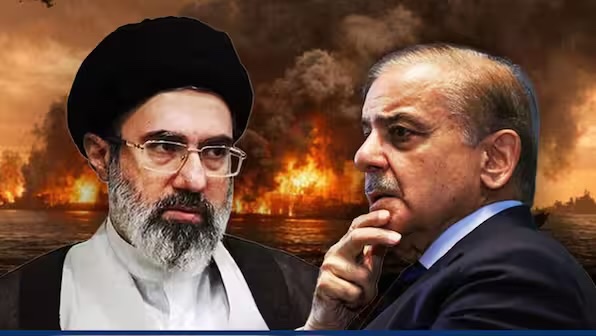
Announced in early April 2026 after intense backchannel negotiations, the deal imposes a two-week suspension of hostilities, allowing both sides to step back from imminent large-scale military confrontation.
Terms of a Delicate Truce
Under the agreement:
Washington has paused planned strikes on Iranian strategic assets
Tehran has agreed to reopen the critical Strait of Hormuz
Regional actors, including Israel, have aligned with the temporary cessation of hostilities
Military forces on all sides remain on high alert
The ceasefire came just hours before a potential escalation deadline, underscoring how close both sides were to a broader war.
Why the Strait of Hormuz Matters
The reopening of the Strait of Hormuz is central to the agreement’s global significance.
The corridor handles roughly one-fifth of global oil shipments
Its temporary closure triggered sharp spikes in oil prices
Its reopening has already eased pressure on global energy markets
For Tehran, the move signals tactical flexibility; for Washington, it secures a key economic and strategic objective.
Diplomatic Backchannels and Global Pressure
The ceasefire emerged from intensive diplomatic intervention, with Pakistan playing a pivotal mediation role, supported by China and Oman.
This framework—informally dubbed the Islamabad channel—is expected to transition into formal negotiations aimed at a broader settlement, though no guarantees have been secured.
Core Disputes Remain Unresolved
Despite the breakthrough, both sides remain far apart on fundamental issues.
Iran’s Demands
A permanent end to hostilities
Lifting of economic sanctions
Compensation for war-related damage
Security guarantees against future attacks
US Priorities
Freedom of navigation in the Gulf
Constraints on Iran’s nuclear and missile programmes
Regional security assurances for allies
These competing objectives highlight why the ceasefire is widely seen as tactical rather than transformational.
Global Impact: Markets React, Cautiously
The immediate aftermath has brought measured global relief:
Oil prices have begun to stabilize
Investor confidence has improved modestly
Gulf states have welcomed the pause while urging sustained diplomacy
However, volatility remains high, with markets sensitive to any sign of renewed escalation.
A Narrow Window for Diplomacy
The two-week truce is effectively a countdown to either de-escalation or renewed conflict.
Diplomatic efforts in the coming days will focus on:
Extending the ceasefire duration
Establishing a structured negotiation framework
Addressing nuclear, security, and economic disputes
Failure to make progress could see both sides return to confrontation—with potentially far greater consequences.
Conclusion
The US–Iran ceasefire has averted immediate catastrophe, but it does not resolve the underlying conflict. Instead, it exposes a stark reality: both nations remain locked in a high-stakes strategic rivalry where peace is provisional and escalation is never far away.
The next phase will determine whether this pause becomes a pathway to stability—or merely an interlude before a more dangerous chapter.