Jos, March 19, 2026
A major step toward social inclusion and economic empowerment was recorded in Plateau State on Wednesday as the Leprosy and Tuberculosis Relief Nigeria (LTR) unveiled a transformative initiative aimed at equipping persons affected by leprosy with practical skills for self-reliance.
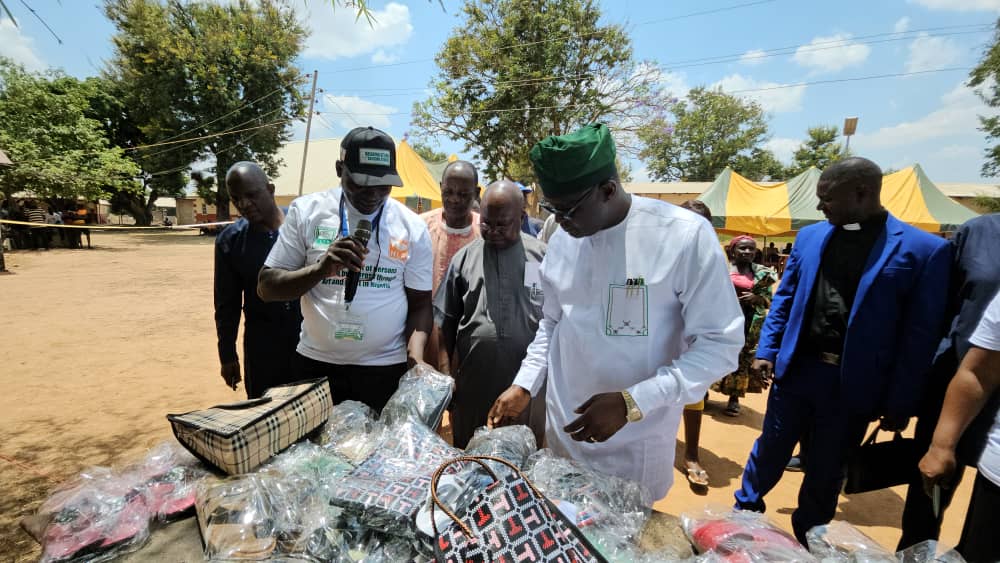
The initiative, titled “Breaking Stigma Through Building Stories,” culminated in a public exhibition where beneficiaries showcased a wide range of handcrafted products, signaling a shift from marginalization to meaningful participation in society.
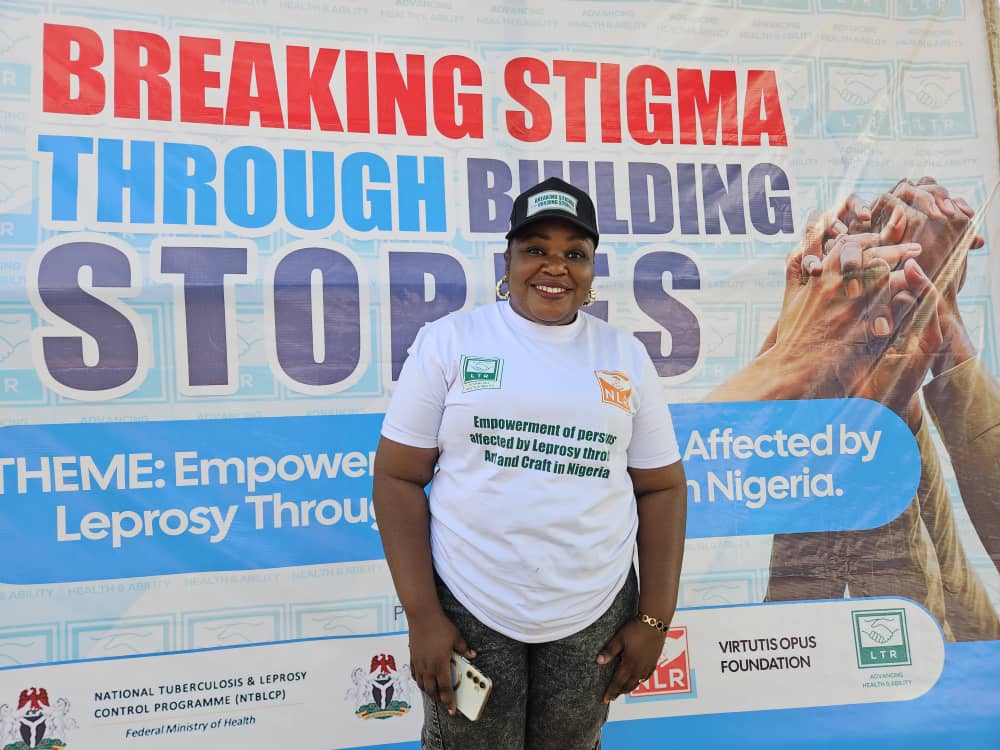
The project, themed “Empowerment of Persons Affected by Leprosy Through Art and Craft in Nigeria,” was implemented by LTR with funding support from Virtutis Opus Foundation through Netherlands Leprosy Relief (NLR).
No fewer than 25 beneficiaries were trained in various income-generating skills, including shoe making, bag production, belt crafting, photography, and cinematography—skills now enabling them to earn a living and regain independence.
The event, held in Jos, attracted key stakeholders in the health sector, including representatives of the Plateau State Government, the National Tuberculosis and Leprosy Control Programme (NTBLCP), and other development partners.
Representing the Plateau State Governor, the Commissioner for Health, Dr. Nicholas Baamlong, described the initiative as a transformative intervention with far-reaching social and economic impact.
He noted that many of the beneficiaries are already applying their newly acquired skills to support their families, fund education, and rebuild their lives.
Baamlong emphasized that leprosy should never be a basis for discrimination, calling on society to embrace affected persons as equal members of the community.
He further stressed that the routine interaction between healthcare workers and persons affected by leprosy—without fear—should serve as a reminder that the disease does not define an individual’s worth.
In a show of government support, the Commissioner announced a ₦5 million intervention fund to sustain the businesses established by the beneficiaries and pledged continued investment in infrastructure to enhance productivity and access to markets.
Earlier, speaking on behalf of the Executive Director of LTR, Dr. Tahir Dahiru, the organisation’s Head of Administration, Naomi Iye Idako, said the initiative goes beyond vocational training.
According to her, the project is designed to restore dignity, challenge stigma, and amplify the voices of individuals who have long been excluded due to societal misconceptions about leprosy.
She noted that each item displayed at the exhibition represents not just craftsmanship, but resilience, courage, and a renewed sense of purpose.
Also speaking, a representative of the beneficiaries, Markus Ali, expressed gratitude to LTR and its partners for what he described as a life-changing opportunity.
He said many participants had previously felt abandoned and hopeless but have now regained confidence and the ability to provide for themselves and their families.
The event featured cultural performances, traditional music, and a documentary highlighting the transformation journey of the beneficiaries, creating an atmosphere of celebration and reflection.
It concluded with the presentation of handcrafted items to government officials and LTR leadership, symbolizing dignity, appreciation, and a new chapter for persons affected by leprosy in Plateau State.
The initiative underscores a growing recognition that with the right support and opportunities, stigma can be dismantled and lives rebuilt.