A fresh wave of controversy has swept across the Muslim world as countries sharply diverge over the official date for Eid al-Fitr 2026, exposing deep-rooted differences in moon sighting practices and religious authority.
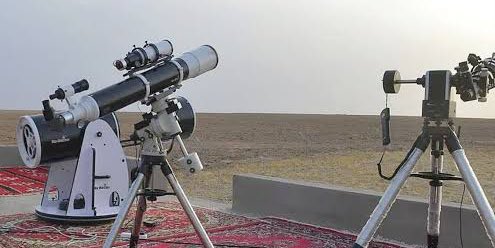
While some nations have declared Thursday, March 19 as Eid, a far larger bloc insists on Friday, March 20, igniting renewed debate over unity, consistency, and the credibility of existing lunar observation systems.
Nations Declaring Thursday Eid
A smaller but significant group of countries moved swiftly to announce Eid for Thursday after confirming early sighting of the Shawwal crescent.
Southeast Asia Leads the Early Declaration
- Indonesia
- Malaysia
- Brunei
- Singapore
Oceania
- Australia (some Muslim organisations)
These countries, known for adhering strictly to local moon sightings, insist their decisions are rooted in verifiable astronomical and visual confirmation.
Majority Bloc Fixes Friday Eid
In contrast, a much larger coalition of Muslim countries rejected early sightings, opting instead to complete the 30 days of Ramadan.
Middle East (Power Bloc)
- Saudi Arabia
- United Arab Emirates
- Qatar
- Kuwait
- Bahrain
- Oman
- Jordan
- Iraq
- Syria
- Yemen
Africa
- Nigeria
- Egypt
- Morocco
- Algeria
- Tunisia
- Senegal
- Niger
- Ghana
South Asia
- Pakistan
- India
- Bangladesh
Western Nations (Muslim Communities)
- United Kingdom
- United States
- Canada
These countries largely align with the decision announced by Saudi Arabia, whose moon sighting authority continues to influence much of the Muslim world.
A Recurring Crisis of Unity
The split has once again raised uncomfortable questions:
- Why does the Muslim world still lack a unified lunar calendar?
- How can modern astronomy coexist with traditional moon sighting methods?
- Should religious authorities move toward global standardisation?
Critics argue that the recurring (differences )undermines the image of unity in a global faith of over a billion adherents. Others, however, defend the diversity as a legitimate reflection of Islamic jurisprudence.
The Reality
- Majority of countries: Friday Eid
- Minority bloc: Thursday Eid
- Root cause: Differences in moon sighting methodology, not theology.