The United States has formally confirmed the deployment of a small team of military personnel to Nigeria, marking the first acknowledged presence of American forces on Nigerian soil since U.S. airstrikes against Islamist extremists late last year.
U.S. Africa Command (AFRICOM) Chief General Dagvin R.M. Anderson announced the move on Tuesday, noting that the deployment followed strategic talks with President Bola Tinubu in Rome and represents an expansion of security cooperation between Washington and Abuja.
“The collaboration between our nations has led to a small U.S. team that brings unique capabilities to augment Nigeria’s ongoing efforts,” General Anderson said, without providing specifics on the number of troops or their precise mission parameters.
Focus on Intelligence and Counterterrorism Support
According to U.S. officials, the contingent is primarily tasked with intelligence, surveillance, and reconnaissance support, as well as advising Nigerian forces in their operations against violent extremist groups active across the country. Reports suggest the team is heavily involved in enhancing targeting and operational planning against terror networks.
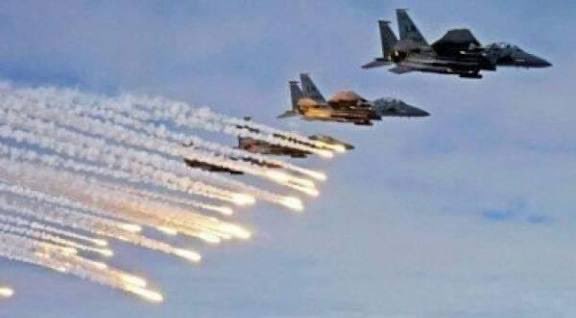
This deployment follows U.S. airstrikes on December 25, 2025, targeting fighters linked to the Islamic State West Africa Province (ISWAP), and comes amid a sustained uptick in militant attacks attributed to both ISWAP and Boko Haram.
Nigeria’s Security Struggles Intensify
Nigeria continues to grapple with a complex security environment. In recent weeks, deadly assaults on civilians and military targets have underscored the persistent threat posed by insurgents in the northeast and banditry in the northwest.
Despite these challenges, the Nigerian government maintains that its armed forces remain capable and committed to combating all forms of violent extremism. Abuja has rejected assertions that it has failed to protect specific religious groups, instead emphasizing that its operations target armed militants irrespective of victims’ faiths.
Diplomatic and Strategic Implications
The U.S. military’s presence reflects deepening bilateral cooperation on security at a time when Nigeria faces heightened pressure from international partners to curb terrorism. While Washington has framed part of its involvement as support for counterterrorism, the diplomatic backdrop includes earlier allegations by U.S. officials regarding Nigeria’s handling of violence against Christians — claims Abuja has categorically denied.
As tensions persist, analysts say that enhanced intelligence sharing and technical support could be pivotal in disrupting extremist networks, even as the nation seeks to maintain sovereign control over its internal security strategy.