A landmark education support programme designed to remove financial barriers that force many Nigerian students out of school was unveiled on Thursday, with the potential to reshape access to education nationwide.
The initiative, valued at over ₦1 trillion over the next decade, focuses on regions most affected by educational exclusion and aims to provide opportunities for students who might otherwise be denied higher education.
Launched in Lagos by the Chairman of Dangote Group, Aliko Dangote, the Aliko Dangote STEM Scholars Initiative—funded by the Aliko Dangote Foundation—will sponsor 30,000 undergraduate students each year in science, technology, engineering and mathematics across public universities and polytechnics in Nigeria. Beneficiaries’ tuition will be fully aligned with actual institutional fees.
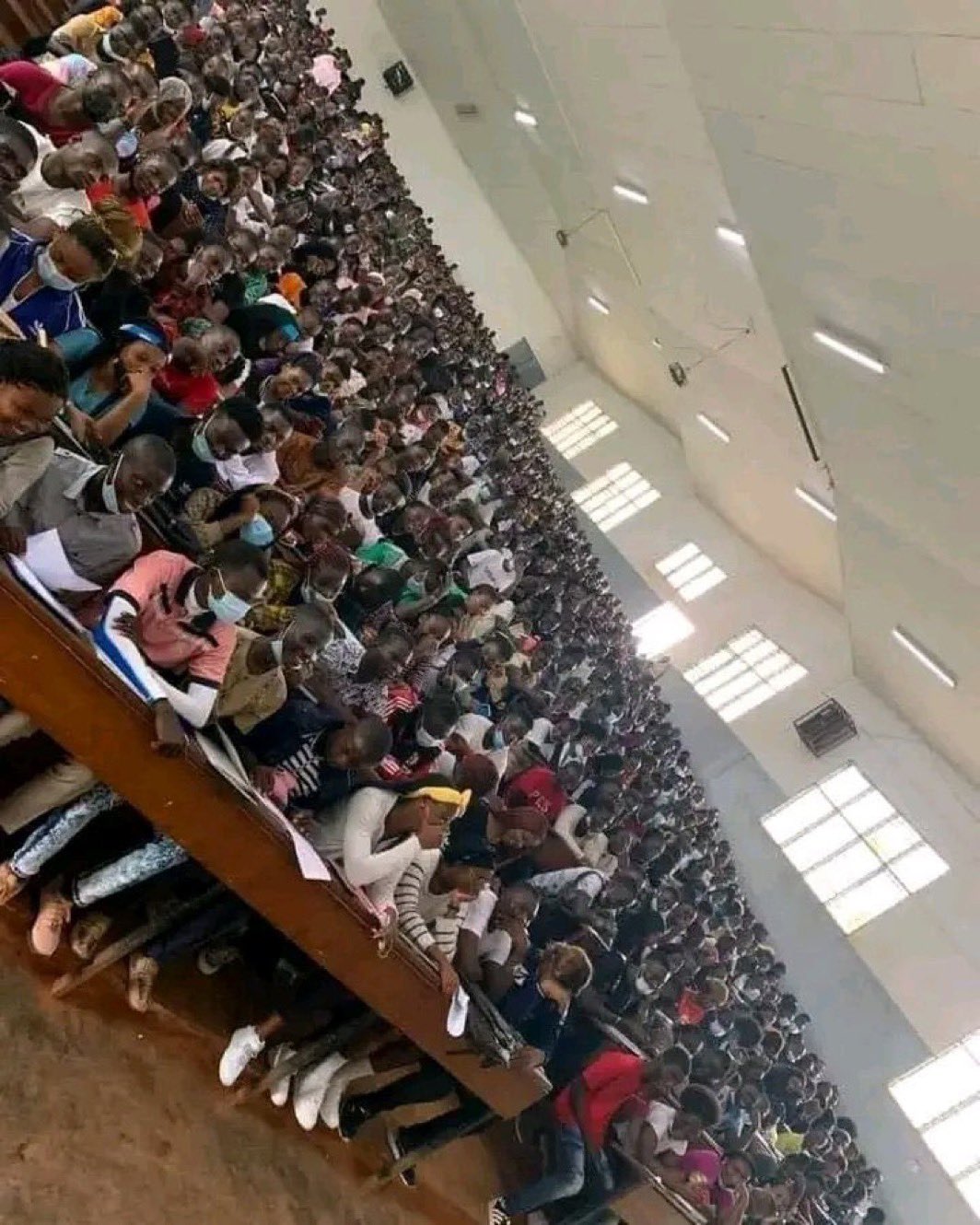
The programme comes against the backdrop of persistent financial hardship in the education sector. According to education stakeholders, nearly one in five students in Nigerian tertiary institutions drop out due to financial constraints, undermining national efforts to achieve inclusive and equitable education in line with the Sustainable Development Goals.
The Presidency has described the initiative as the largest private-sector education support scheme in Nigeria’s history and a major boost to the Federal Government’s human capital development agenda. Dangote said the programme would expand from supporting 45,000 new students annually from 2026 to reaching about 155,000 beneficiaries yearly by its fourth year, ultimately impacting an estimated 1.3 million students across all 774 local government areas.
Beyond tertiary education, the Foundation will also support 5,000 students annually in public technical and vocational institutions, fund 20,000 secondary-school girls each year through the MHF Dangote Girls Scholars Programme, and roll out a large-scale teacher training scheme targeting STEM educators nationwide.
Dangote described the initiative as a strategic investment rather than charity, stressing that talent—not opportunity—is often the missing link for many Nigerian youths. He called for collective action by government, the private sector and communities to transform education and secure Nigeria’s future.
Government officials, traditional rulers and international partners have praised the programme as transformational, noting its long-term impact on human capital development, gender inclusion and economic growth.